Disaster Recovery for 3D Studios: The Role of Cloud-Based Render Networks

A sudden local power surge, a catastrophic hardware crash right before a major delivery deadline, or an unexpected localized disaster can halt a 3D studio’s production instantly. When your entire pipeline relies exclusively on local machines, a single point of failure risks missed delivery dates, financial penalties, and severely damaged client relationships.
Implementing a resilient cloud-based disaster recovery plan ensures your creative studio keeps moving forward, no matter what happens on-site. By integrating cloud-backed network rendering into your daily workflow, you build an automated backup system that protects your business from unexpected downtime while optimizing your overall output.
Guaranteeing Business Continuity During Crashing Deadlines
A local hardware crash shouldn’t wipe out days of asset creation. But if your entire pipeline depends on a physical, on-site render farm, you’re constantly one power surge, dead GPU, or broken router away from a total standstill.
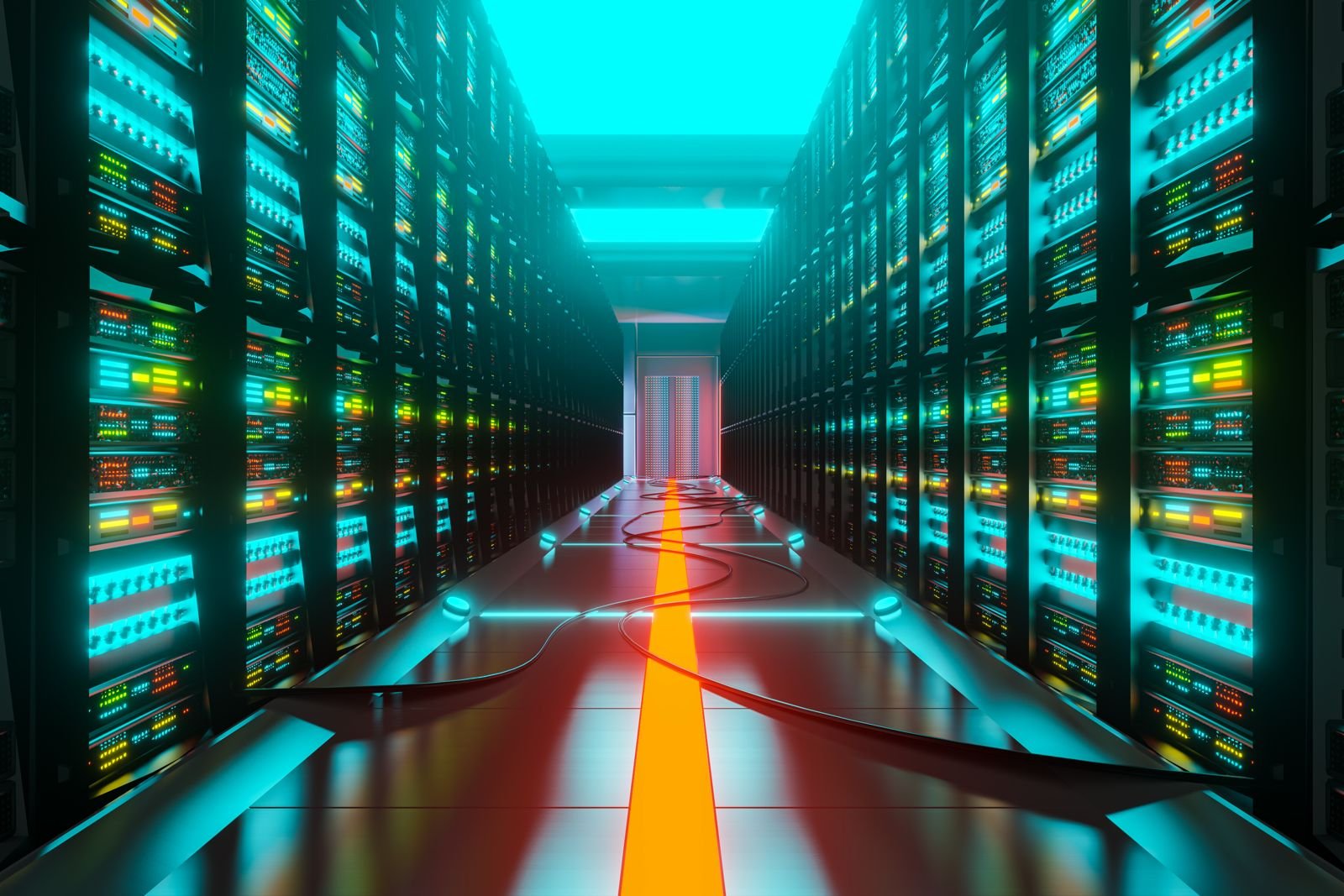
Cloud-based render networks solve this issue by automatically syncing your critical project files, textures, and geometry to remote architecture. If your local studio goes dark or a machine dies, your data is already backed up and ready to go in the cloud. Because cloud networks utilize geo-distributed nodes across multiple regions, a blackout in your city will not stall your project. You can shift processing operations to another region immediately, keeping your delivery timeline perfectly intact.
On-Demand Scalability for Production Crunch Time
Production schedules are rarely a straight line, and the final crunch of an animation or VFX project is always brutal. Last-minute client notes and tight deadlines usually bottleneck right at the end, pushing local hardware way past its comfort zone.
- Instant Node Expansion: You can scale your rendering capacity from a few local machines to over 100 high-performance cloud nodes instantly, bypassing local queue lines.
- Flexible Budgeting: Cloud setups operate on an elastic, consumption-based model. You only pay for the exact compute time and processing power you use, keeping your overhead entirely predictable.
- Stress-Free Adaptability: When a client drops massive, unexpected changes on you right before delivery, you can simply scale up your render capacity to absorb the extra workload; no panic required.
Centralizing Assets for Global Collaboration
Today’s 3D pipelines are built on remote talent. But managing a global team gets messy fast when everyone is working on different rigs with wildly different internet speeds.
Cloud render networks act as a centralized, secure hub for your entire creative team. Remote artists can submit complex jobs directly to the cloud farm from any location worldwide. This eliminates the need to outfit every remote contractor with an expensive, high-end workstation at home, significantly lowering your onboarding costs. Furthermore, a centralized network ensures that software versions, custom plugins, and render engines are perfectly standardized across the board, completely removing compatibility errors and mismatched frames.
See also: Matrix Argo Face Recognition Systems: Real-World Deployment Scenarios for Qatar Facilities
Future-Proofing Studio Infrastructure and Financials
Investing heavily in local hardware creates a rigid financial burden that can restrict a studio’s growth. High-end GPUs and render nodes depreciate rapidly, requiring constant capital reinvestment every few years just to stay competitive with larger post-production houses.
Moving your pipeline to the cloud shifts your studio from a CapEx (Capital Expenditure) model to an OpEx (Operational Expenditure) model. Practically speaking, this structural shift can offer great tax advantages, since you’re writing off cloud infrastructure as a direct operational cost instead of watching expensive hardware depreciate on a shelf. You gain immediate access to the latest, most powerful GPUs without purchasing physical graphics cards. This democratizes production power, allowing smaller studios to compete directly with massive agencies by leveraging virtually infinite render capacity on demand.