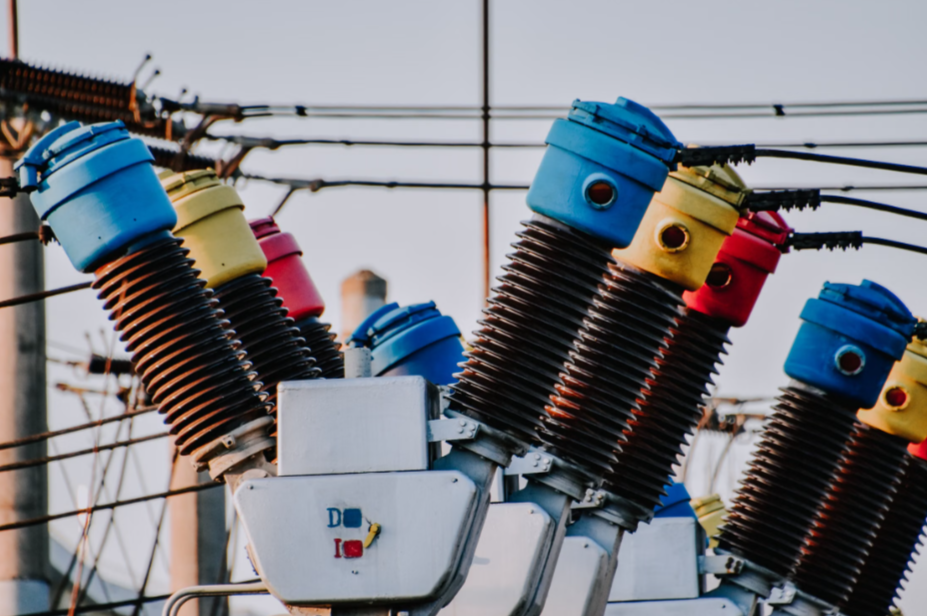
5000 kVA Transformer Specification: Complete Guide to Features, Ratings, and Technical Details

A 5000 kVA transformer is a high-capacity power transformer designed to transfer electrical energy efficiently between different voltage levels in industrial plants, commercial facilities, utility substations, renewable energy projects, and infrastructure developments. With its ability to handle substantial electrical loads, a 5000 kVA transformer plays a vital role in ensuring reliable and uninterrupted power distribution while maintaining high operational efficiency.
Selecting the right transformer involves much more than simply choosing its power rating. Engineers and project managers must consider voltage ratings, cooling methods, insulation class, impedance, efficiency, protection features, and compliance with international standards. Understanding these specifications helps ensure the transformer meets the application’s electrical and operational requirements. This guide explains the complete 5000 kVA transformer specification, covering its features, components, technical parameters, applications, installation requirements, and maintenance practices.
What Is a 5000 kVA Transformer?
Before reviewing its specifications, it is important to understand what a 5000 kVA transformer is and how it functions within an electrical power system. It is designed to step voltage up or down while transferring large amounts of electrical power with minimal losses.
A 5000 kVA transformer has an apparent power rating of 5 MVA (5,000 kilovolt-amperes) and is commonly used for medium-voltage to low-voltage or medium-voltage to medium-voltage power distribution. It can be manufactured as an oil-immersed transformer or a dry-type transformer, depending on the installation environment and project requirements.
These transformers are built to deliver reliable performance under continuous operation while supporting heavy industrial and commercial electrical loads.
Typical 5000 kVA Transformer Specifications
Although transformer specifications may vary depending on the manufacturer and customer requirements, most 5000 kVA transformers share a common set of technical characteristics. These specifications ensure compatibility with electrical systems and compliance with industry standards.
Power Rating
The transformer is rated at 5000 kVA, allowing it to handle significant electrical loads without exceeding its designed operating capacity. This rating makes it suitable for industrial plants, substations, and utility applications.
Primary Voltage
The primary voltage is selected based on the incoming utility supply. Common primary voltage ratings include 11 kV, 22 kV, 33 kV, or 66 kV, although custom voltage ratings can also be provided to meet specific project requirements.
Secondary Voltage
The secondary voltage depends on the application and the equipment being supplied. Typical secondary voltages include 415 V, 400 V, 690 V, 6.6 kV, or 11 kV, ensuring compatibility with industrial machinery and commercial electrical systems.
Frequency
Most transformers operate at either 50 Hz or 60 Hz, depending on the country’s electrical grid. Manufacturers can supply transformers designed for either frequency.
Phase Configuration
A 5000 kVA transformer is generally manufactured as a three-phase transformer because large-scale industrial and utility applications require balanced three-phase power distribution for efficient operation.
Construction Features
The construction quality of a transformer directly affects its performance, efficiency, and service life. Manufacturers use premium materials and precision engineering to ensure reliable operation under demanding conditions.
High-Quality Core
The transformer core is typically manufactured from cold-rolled grain-oriented (CRGO) silicon steel laminations. This material minimizes core losses while improving overall energy efficiency.
Copper or Aluminum Windings
The windings may be constructed from high-conductivity copper or aluminum conductors. Copper windings are often preferred for their superior conductivity, higher mechanical strength, and improved thermal performance.
Durable Insulation System
A high-performance insulation system separates the transformer windings while preventing electrical breakdown. Quality insulation improves operational safety and extends transformer lifespan.
Robust Transformer Tank
Oil-immersed transformers are housed inside heavy-duty steel tanks designed to withstand internal pressure, environmental conditions, and transportation stresses.
Cooling Methods
Large transformers generate considerable heat during operation, making effective cooling essential for maintaining performance and preventing overheating. Different cooling methods are available depending on installation requirements.
ONAN (Oil Natural Air Natural)
ONAN is the most common cooling method for medium-capacity transformers. Heat generated by the transformer circulates naturally through the insulating oil and dissipates into the surrounding air without requiring mechanical assistance.
ONAF (Oil Natural Air Forced)
ONAF cooling uses cooling fans to improve heat dissipation when the transformer operates under higher loads. This method increases the transformer’s cooling capacity and supports heavier operating conditions.
OFAF (Oil Forced Air Forced)
Large industrial transformers may utilize oil pumps and cooling fans to circulate insulating oil more efficiently. This system provides enhanced cooling performance for continuous heavy-duty applications.
Electrical Characteristics
The electrical characteristics of a transformer determine how efficiently it operates within an electrical network. These specifications are carefully selected to ensure reliable performance and compliance with system requirements.
Impedance
Transformer impedance typically ranges between 6% and 10%, depending on customer specifications and system design. Proper impedance helps limit fault current while maintaining voltage regulation.
Efficiency
Modern 5000 kVA transformers achieve efficiencies exceeding 98%, reducing energy losses and improving overall operating economy. High efficiency is particularly important for continuously operating industrial facilities.
Voltage Regulation
Good voltage regulation ensures stable output voltage under varying load conditions. This characteristic improves equipment performance while protecting sensitive electrical systems.
Short Circuit Strength
Power transformers are designed to withstand short-circuit forces generated during electrical faults. Strong mechanical construction prevents winding movement and structural damage during fault conditions.
Protection Features
Reliable protection systems are essential for preventing transformer damage and ensuring safe operation. Modern transformers incorporate multiple protective devices that continuously monitor operating conditions.
Temperature Monitoring
Temperature sensors monitor winding and oil temperatures during operation. These sensors help prevent overheating by providing early warning signals or initiating protective shutdowns when necessary.
Pressure Relief Device
Oil-filled transformers include pressure relief devices that safely release excess internal pressure caused by abnormal operating conditions. This feature helps protect the transformer tank from damage.
Buchholz Relay
Large oil-filled transformers commonly use a Buchholz relay to detect internal faults by monitoring gas accumulation within the transformer. Early fault detection helps minimize equipment damage.
Oil Level Indicator
The oil level indicator allows maintenance personnel to verify the correct quantity of insulating oil. Maintaining proper oil levels is essential for effective cooling and insulation performance.
Applications of a 5000 kVA Transformer
A 5000 kVA transformer is suitable for a wide range of industries because of its ability to supply large electrical loads reliably. Its versatility makes it a popular choice for utility and industrial power distribution.
Industrial Manufacturing Plants
Large factories rely on 5000 kVA transformers to power production equipment, heavy machinery, automation systems, and manufacturing processes requiring stable electrical supply.
Utility Substations
Electrical utilities install these transformers in substations to distribute electricity efficiently between transmission and distribution networks while maintaining voltage stability.
Commercial Complexes
Large shopping malls, airports, hotels, office buildings, and convention centers use high-capacity transformers to support lighting, HVAC systems, elevators, and other electrical equipment.
Renewable Energy Projects
Solar power plants and wind farms frequently utilize 5000 kVA transformers to step up generated electricity before connecting it to the utility grid.
Infrastructure Projects
Transportation hubs, metro stations, water treatment facilities, and government infrastructure projects depend on reliable transformers for uninterrupted electrical service.
Installation Requirements
Proper installation plays a major role in ensuring transformer safety, efficiency, and long-term reliability. Every installation should follow engineering specifications and applicable electrical standards.
Proper Foundation
The transformer should be installed on a reinforced concrete foundation capable of supporting its weight while minimizing vibration and settlement.
Adequate Ventilation
Proper airflow around the transformer helps dissipate heat effectively. Maintaining sufficient clearance also improves accessibility for maintenance activities.
Grounding System
An effective grounding system protects both equipment and personnel by safely dissipating fault currents during abnormal operating conditions.
Safe Cable Connections
Incoming and outgoing cables should be installed according to engineering drawings and manufacturer recommendations. Proper cable termination minimizes electrical resistance and improves reliability.
Maintenance Practices
Routine maintenance is essential for maximizing transformer lifespan and preventing unexpected failures. Preventive maintenance also improves operational efficiency and reduces repair costs.
Inspect the Insulating Oil
Oil quality should be tested periodically to monitor moisture content, dielectric strength, and contamination. Maintaining clean insulating oil supports effective cooling and electrical insulation.
Monitor Operating Temperature
Regular temperature monitoring helps identify developing cooling problems before they affect transformer performance or reliability.
Inspect Bushings and Connections
Bushings, cable terminations, and electrical connections should be inspected for signs of overheating, cracking, or corrosion. Early detection prevents larger equipment failures.
Perform Electrical Testing
Routine insulation resistance tests, winding resistance measurements, and transformer turns ratio testing help verify the electrical condition of the transformer.
Factors to Consider When Selecting a 5000 kVA Transformer
Choosing the right transformer requires more than comparing technical specifications. Several project-specific considerations influence long-term performance and operational efficiency.
Load Requirements
The transformer should be selected based on both current and anticipated future electrical demand. Proper sizing prevents unnecessary overloading while allowing room for expansion.
Installation Environment
Environmental factors such as temperature, humidity, altitude, and pollution levels should be considered when selecting transformer construction and cooling methods.
Energy Efficiency
High-efficiency transformers reduce operating costs by minimizing energy losses throughout their service life. Although they may have a higher initial cost, they often provide significant long-term savings.
Compliance with Standards
A quality transformer should comply with recognized standards such as IEC, ANSI, IEEE, or IS specifications. Compliance ensures safety, reliability, and compatibility with modern electrical systems.
Advantages of Using a 5000 kVA Transformer
Large-capacity transformers provide numerous operational and economic benefits across industrial, commercial, and utility applications. Their robust construction and efficient performance make them a dependable investment.
Supports Heavy Electrical Loads
A 5000 kVA transformer can safely supply large facilities with stable electrical power, making it ideal for industries with demanding energy requirements.
High Operational Efficiency
Modern transformer designs achieve excellent efficiency, reducing energy losses and lowering long-term operating expenses.
Long Service Life
When properly installed and maintained, a quality transformer can operate reliably for several decades, providing excellent return on investment.
Reliable Power Distribution
Stable voltage regulation and robust construction help ensure uninterrupted power delivery even under varying load conditions.
Conclusion
Understanding the 5000 kVA transformer specification is essential for selecting the right transformer for industrial, commercial, utility, and infrastructure projects. From voltage ratings and cooling methods to protection systems and installation requirements, every specification contributes to the transformer’s safety, efficiency, and long-term performance.
By carefully evaluating power requirements, operating conditions, environmental factors, and applicable industry standards, businesses can invest in a transformer that delivers reliable power distribution for decades. A high-quality 5000 kVA transformer not only improves electrical system reliability but also enhances operational efficiency, reduces maintenance costs, and supports the growing energy demands of modern facilities.