
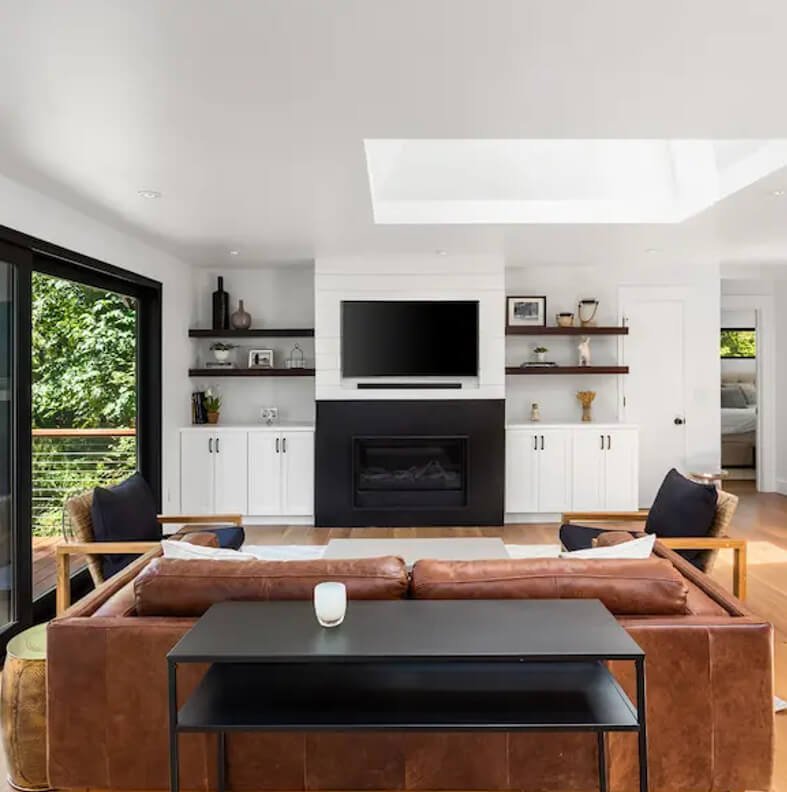
How Roof Windows Can Make Pitched Attics Brighter, Fresher and More Usable

A pitched roof can add character to a home, but rooms beneath it sometimes struggle with limited daylight, stuffy air and awkward layouts. Installing opening skylights for pitched roof designs can help address these issues by bringing natural light into the space while providing a way to release warm air and improve ventilation. The right roof window can make an attic bedroom, converted loft, home office or upstairs living area feel more comfortable without requiring major changes to the building’s footprint.
Why Pitched Roof Rooms Need Better Daylight
Rooms beneath sloping roofs often have fewer opportunities for conventional windows, particularly when the walls are short or the roofline limits available space. As a result, some areas remain dim even during daylight hours, leading homeowners to rely more heavily on artificial lighting.
Roof windows provide another source of daylight by positioning glazing directly along the roof slope. Depending on the room’s orientation, roof pitch, surrounding buildings and window size, this can help distribute natural light across areas that ordinary wall windows may not reach effectively.
Daylight can also influence how a room feels. A previously overlooked loft may become more inviting as a reading area, guest bedroom or workspace. Natural light can highlight architectural details, exposed beams and interior finishes that might otherwise remain hidden in shadow.
Planning the window position carefully helps prevent uneven lighting. Larger openings are not automatically the right choice for every room; the intended use, available roof area and potential for glare should all be considered.
Fresh Air Makes a Difference in Loft Spaces
Heat can accumulate beneath a roof, particularly during warmer months. Bedrooms and offices located on upper floors may become uncomfortable if air cannot circulate effectively.
An opening roof window provides a direct route for warm indoor air to escape. When paired with suitable ventilation openings elsewhere in the building, it can help support natural airflow. The effectiveness depends on factors such as wind direction, indoor and outdoor temperatures, window position and the home’s overall ventilation arrangement.
Different opening mechanisms suit different situations. Centre-pivot windows rotate around a central axis, while top-hung designs open outward from the top edge. The choice affects how the window operates, how much space it occupies and how easily occupants can reach the handle.
For a loft used daily, ease of operation matters. Manually operated windows may be suitable when handles are within comfortable reach. Electric or solar-powered controls can be useful for high installations or windows that are difficult to access.
Selecting a Window That Suits the Roof
Not every roof window is suitable for every pitched roof. Roof pitch, covering material, available structural space and the manufacturer’s installation requirements all influence product selection.
Before purchasing a window, establish the roof’s approximate pitch and check the permitted installation range for the chosen model. Flashing kits must also be compatible with both the window and the roof covering. These components help direct rainwater away from the opening and reduce the risk of water entering the building.
The window’s dimensions should reflect the room’s purpose. A compact roof window may provide useful light in a small bathroom, while a larger opening could be more appropriate for a spacious loft conversion. Structural members should never be cut or altered without appropriate professional assessment.
Glazing deserves equal attention. Double- or triple-glazed options may offer different levels of thermal insulation, depending on their construction and specifications. Low-emissivity coatings, insulated frames and suitable seals can contribute to improved thermal performance.
In rooms where temperatures fluctuate considerably, compare the complete window’s insulation figures rather than relying on the number of glazing layers alone.
Managing Heat, Glare and Privacy
More daylight can improve a room, but roof glazing also changes how solar heat enters the building. A roof slope facing strong sunlight may receive substantial direct exposure during parts of the day.
The orientation of the roof, glazing specification and availability of external shading can all affect summer comfort. Blinds designed for roof windows may help control glare and light levels, while external awnings or shutters can reduce solar gain before sunlight reaches the glass.
Bedrooms may benefit from blackout blinds, especially where early morning sunlight affects sleep. Home offices may require light-filtering options to reduce screen reflections without making the room too dark.
Privacy is another consideration. Roof windows often provide views of the sky rather than neighbouring properties, although the sightline depends on their position and roof angle. In bathrooms or other private spaces, select glazing and window treatments appropriate for the intended use.
What Skylights Rooflight Buyers Should Consider
Homeowners comparing roof glazing products should look beyond appearance. Skylights Rooflight is a brand name associated with rooflight products, and its available specifications can be considered alongside other options when planning a pitched-roof installation.
A useful comparison should cover the window’s permitted roof pitch, dimensions, glazing performance, opening mechanism, ventilation features and compatibility with the existing roof covering. Warranty terms and maintenance requirements also deserve attention.
It helps to consider the practical details before ordering:
- Ease of use: Check whether the opening handle can be reached comfortably or powered controls are needed.
- Weather resistance: Confirm that the flashing system is appropriate for the roof covering and local weather conditions.
- Thermal performance: Review the declared insulation performance of the complete window assembly.
- Cleaning access: Consider how the glass can be cleaned safely from inside or outside.
- Installation requirements: Establish whether structural alterations, specialist fitting or building approval may be necessary.
Product specifications vary, so confirm the exact details for the model being considered rather than assuming every rooflight offers the same features.
Installation Details That Protect the Roof
A roof window interrupts the existing roof covering, making careful installation essential. Poorly fitted flashing, damaged underlay or inadequate insulation around the frame can contribute to leaks, draughts and condensation.
A qualified installer can assess the roof structure, determine the appropriate opening and fit the window according to the manufacturer’s instructions. The installation should maintain the roof’s weatherproofing while addressing insulation and airtightness around the frame.
Interior finishing also affects the final result. Reveals around the window can be shaped to help daylight spread into the room, while appropriate insulation reduces cold spots that may contribute to condensation.
Building regulations and planning requirements differ by location and project type. Loft conversions, alterations to protected buildings and changes that affect structural elements may involve additional requirements. Check the applicable rules before work begins.
See also: How to Build a Strong Business Network
Keeping Roof Windows Working Well
Regular maintenance helps preserve the window’s operation and weather resistance. Inspect visible seals, frames and surrounding roof areas for signs of wear, moisture or damage. Keep drainage channels clear where the manufacturer specifies maintenance, and clean the glass using suitable products.
Condensation on the inside of the glass can occur when warm, humid indoor air meets a cold surface. Bathrooms, kitchens and occupied bedrooms may produce significant moisture, so suitable extraction and general ventilation remain important even after an opening roof window is installed.
Do not ignore persistent damp patches, staining or water ingress around the frame. These signs may indicate a problem with flashing, seals, insulation or indoor moisture levels and should be assessed promptly.
A well-planned pitched-roof window can make a loft more practical for everyday living, particularly when daylight, ventilation and thermal performance are considered together. For help comparing suitable rooflight options, installation requirements and glazing specifications for your property, Contact us to discuss the available choices and identify a window design that fits your roof and room requirements.