Why Saudi Arabia’s Vision 2030 Smart City Projects Demand Next-Generation Access Control and Attendance Infrastructure

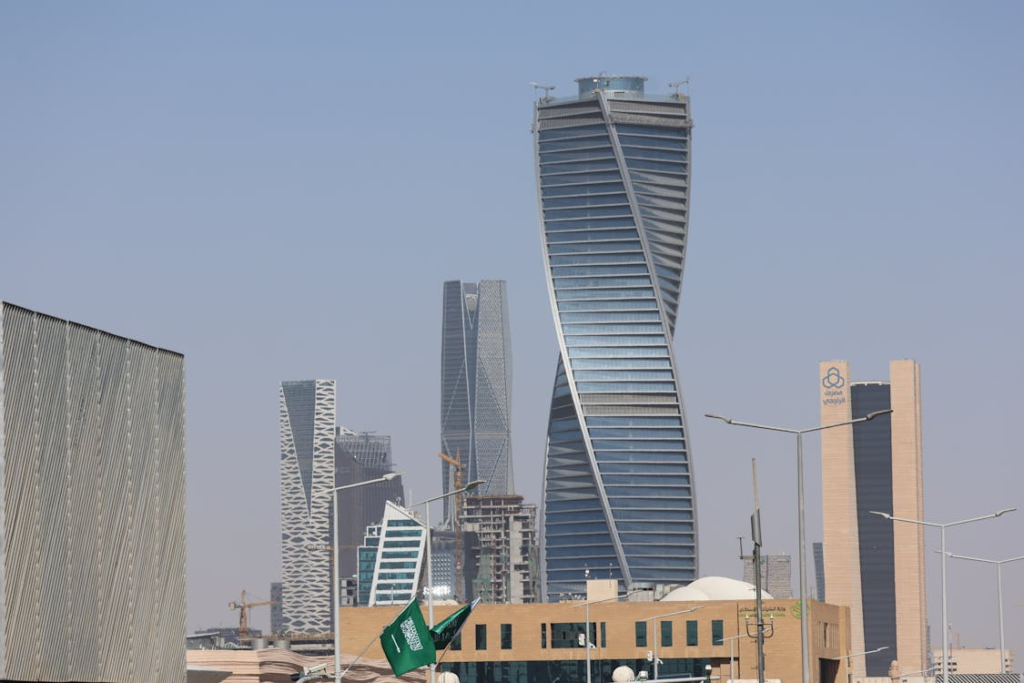
Saudi Arabia’s Vision 2030 transformation is reshaping how cities are built, managed, and secured. Mega developments such as NEOM, Qiddiya, The Red Sea Project, and King Salman Park are not just urban expansion initiatives; they are fully integrated smart ecosystems requiring advanced digital infrastructure. At the core of these ecosystems lies a critical operational requirement: scalable, interoperable, and intelligent security and workforce management systems.
Traditional security tools can no longer support the complexity of these environments. Instead, developers and operators are adopting next-generation access control systems, biometric authentication platforms, and cloud-based workforce solutions capable of managing hundreds of thousands of users across distributed zones.
Mega Projects Require Mega-Scale Security Infrastructure
Vision 2030 projects are designed as self-contained smart cities, each with residential, commercial, tourism, and industrial zones. This level of complexity demands highly coordinated access management.
For example:
- NEOM spans multiple zones, including industrial hubs, luxury tourism areas, and research districts
- Qiddiya integrates entertainment, residential, and sports infrastructure
- The Red Sea Project includes isolated luxury resorts and logistics hubs
- King Salman Park functions as one of the world’s largest urban green developments
Each of these environments requires unified yet flexible security frameworks. This is where modern access control system architecture becomes essential. Unlike legacy systems, modern platforms allow centralized control across multiple zones while maintaining localized security rules.
Managing Hundreds of Thousands of Credentials
One of the biggest challenges in Vision 2030 projects is scale. Workforce populations often exceed hundreds of thousands, including construction workers, contractors, engineers, hospitality staff, and government personnel.
To manage this complexity, organizations are deploying integrated systems such as:
- Cloud-based identity management platforms
- Multi-factor authentication systems
- Centralized credential databases
- AI-driven monitoring dashboards
In these environments, biometric access control system technologies play a crucial role. Facial recognition, fingerprint scanning, and iris-based authentication reduce dependency on physical cards and improve accuracy in high-volume entry points.
Interoperability: The Core Requirement of Smart Cities
Smart city infrastructure is built on interoperability. Systems must communicate seamlessly across different zones, vendors, and technologies.
For instance, a worker entering a NEOM construction zone should have their identity verified, attendance recorded, and access permissions updated in real time across multiple systems.
This requires integration between:
- Access control systems
- HR and payroll platforms
- Security surveillance systems
- Contractor management tools
- Cloud-based analytics platforms
Without interoperability, data silos emerge, leading to inefficiencies and security risks. Modern Saudi projects are therefore prioritizing open API-based ecosystems.
Biometric and AI-Driven Security Adoption
Saudi Arabia’s mega projects are rapidly shifting toward biometric-first security models. Physical cards and manual registers are no longer sufficient for large-scale operations.
Key technologies include:
- Facial recognition for fast authentication
- Fingerprint scanning for secure identity verification
- AI-based anomaly detection for access behavior
- Contactless entry systems for high-traffic zones
These technologies are increasingly integrated into biometric access control system platforms that connect directly with centralized command centers. AI also plays a role in predicting workforce flow, identifying congestion points, and optimizing entry gate operations in real time.
Workforce Mobility Across Mega Zones
Unlike traditional cities, Vision 2030 developments involve a highly dynamic workforce movement. Employees often move between construction zones, administrative areas, and operational facilities within the same project ecosystem.
To manage this, organizations deploy a unified time attendance system infrastructure that links multiple entry points across zones.
This ensures:
- Accurate shift tracking across locations
- Real-time workforce visibility
- Automated overtime calculation
- Reduced administrative overhead
Mobile-enabled and cloud-based attendance tools are becoming standard in these environments, replacing fragmented legacy systems.
Security at Scale: Balancing Access and Control
One of the biggest challenges in smart city development is balancing security with accessibility. Projects must remain open enough to support productivity while secure enough to prevent unauthorized access.
To achieve this balance, developers are combining:
- Layered authentication systems
- Zonal access permissions
- Temporary contractor credentials
- Real-time access revocation
This is where integrated access control system frameworks become essential. They allow administrators to define granular access rules based on role, location, and time.
ACIX Middle East supports Saudi Arabia’s Vision 2030 transformation by delivering next-generation access control systems designed for large-scale smart city environments where scalability, reliability, and interoperability are critical. Their time attendance systems provide real-time workforce tracking and centralized reporting across multi-zone project sites. They also provide intelligent smart flap barrier systems, turnstile gate barrier systems, and security gate barriers that manage vehicle flow and enhance perimeter control in large-scale developments. With ACIX Middle East, organizations gain a fully scalable and future-ready security ecosystem built for the demands of Saudi Arabia’s smart cities.
Contact them now.