Edge Computing Explained: The Future of Data Processing

In today’s increasingly connected world, the demand for faster data processing is growing exponentially. As more devices connect to the internet, particularly with the rise of IoT (Internet of Things), there’s a need for real-time data analysis to make timely decisions. Traditional cloud computing, while effective, can struggle with the latency issues caused by sending data to centralized data centers for processing. Enter edge computing — a transformative technology that is revolutionizing how we handle data and compute resources.
In this article, we’ll explain what edge computing is, how it works, its benefits, and its key applications. Let’s dive into the world of edge computing and understand why it’s becoming an essential part of the technological landscape.
What is Edge Computing?
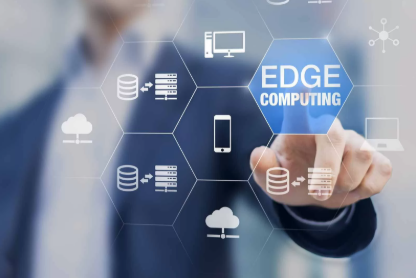
Edge computing refers to a distributed computing model where data processing and storage happen closer to the data source, at the “edge” of the network. This means that rather than sending data to a centralized cloud server for processing, edge computing uses local devices, sensors, or edge servers to perform computations and process data in real-time.
By processing data closer to where it’s generated, edge computing significantly reduces latency, improves the speed of data processing, and optimizes bandwidth usage. This makes it an ideal solution for applications that require instant analysis and responses.
How Does Edge Computing Work?
Edge computing works by decentralizing computing tasks from a centralized cloud system to localized devices such as gateways, edge servers, and even smart sensors. These devices process data in real time, perform necessary computations, and only send relevant information back to a central server if needed. The general process involves:
- Data Collection: Devices like sensors, cameras, or IoT devices collect data from their environment.
- Data Processing: Instead of sending all raw data to a cloud server, local processing happens at the edge device, which reduces the need for excessive bandwidth and time delays.
- Decision Making: Processed data is used to make quick decisions or trigger actions in real-time. For example, a smart thermostat can adjust the temperature of a room without needing to communicate with the cloud.
- Sending Data to the Cloud: Only critical or summarized data is sent to a central cloud for deeper analysis or long-term storage.
This approach is highly effective in scenarios where quick decision-making is required, and traditional cloud computing may introduce delays.
Benefits of Edge Computing
Edge computing provides several key advantages over traditional cloud computing, including:
1. Reduced Latency
One of the biggest challenges with cloud computing is latency. Since data has to travel to and from a centralized data center, delays are inevitable. With edge computing, data is processed locally, which significantly reduces the time it takes to respond to real-time demands.
2. Bandwidth Optimization
Sending large volumes of data to cloud servers can overwhelm network resources. Edge computing reduces bandwidth consumption by only transmitting essential data, helping optimize network usage and lowering operational costs.
3. Improved Security and Privacy
Since edge computing processes data locally, sensitive information doesn’t have to be transmitted across the internet to a centralized cloud. This reduces the risks of data breaches during transmission and improves overall data privacy.
4. Scalability
Edge computing offers a more scalable solution than traditional cloud computing. As the number of connected devices grows, edge computing can handle the increase in data traffic without overwhelming centralized cloud infrastructure.
5. Real-Time Decision Making
Edge computing enables faster decision-making by processing data at the source. This is critical for industries such as healthcare, autonomous vehicles, and manufacturing, where quick actions based on real-time data can make all the difference.
Key Applications of Edge Computing
Edge computing is not just a buzzword; it’s already being used in a wide variety of applications across different industries. Here are some key areas where edge computing is making an impact:
1. Internet of Things (IoT)
Edge computing is particularly beneficial for IoT devices, which generate vast amounts of data that need to be processed quickly. By processing data at the edge, IoT devices can respond in real-time without the need for cloud processing. Smart home devices, industrial sensors, and connected wearables all benefit from this approach.
2. Autonomous Vehicles
Self-driving cars rely on real-time data from cameras, sensors, and radar to make split-second decisions. Edge computing allows these vehicles to process data on the spot, ensuring minimal latency and enabling safer, more efficient driving.
3. Healthcare
In healthcare, edge computing can enable real-time patient monitoring, ensuring that doctors can receive immediate alerts if something goes wrong. Wearable devices that track vital signs, such as heart rate or blood glucose levels, can process data locally, alerting medical staff immediately if intervention is needed.
4. Smart Cities
Edge computing supports the development of smart cities by processing data from traffic lights, security cameras, and environmental sensors locally. This ensures quick responses to changing conditions, such as traffic flow or air quality, helping cities become more efficient and sustainable.
5. Manufacturing
In industrial settings, edge computing can optimize production lines by processing data from machines and equipment in real-time. By detecting issues early, manufacturers can perform predictive maintenance and reduce downtime, leading to higher productivity.
Edge Computing vs. Cloud Computing
While both edge and cloud computing deal with the storage, processing, and analysis of data, they differ in how they approach these tasks:
- Cloud Computing: Data is sent to centralized servers for processing. It’s ideal for non-time-sensitive tasks and large-scale data analysis.
- Edge Computing: Data is processed locally, at the source, making it ideal for real-time processing where low latency and immediate action are critical.
Both models can work together. For example, edge computing can handle time-sensitive tasks, while cloud computing can process large datasets and provide deeper analytics.
Challenges of Edge Computing
Despite its many benefits, edge computing is not without its challenges:
1. Complexity
Implementing and managing edge computing across large-scale networks can be complex. It requires robust infrastructure, specialized hardware, and effective coordination between devices and systems.
2. Security Risks
While edge computing can improve data privacy, it also introduces new security challenges. Decentralized devices need to be properly secured to prevent vulnerabilities at the edge of the network.
3. Data Management
Managing and storing data from numerous edge devices can be challenging. It’s essential to have systems in place to handle data consistency and ensure proper synchronization between the edge and cloud environments.
Conclusion
Edge computing is transforming the way data is processed and analyzed, enabling faster, more efficient decision-making across industries. By decentralizing computing tasks, it reduces latency, optimizes bandwidth, and enhances security. With applications in IoT, autonomous vehicles, healthcare, and smart cities, edge computing is becoming a critical component of modern technology infrastructure. As the demand for real-time data processing continues to grow, edge computing will play an increasingly vital role in shaping the future of the internet and connected devices.
FAQs
1. What is edge computing in simple terms?
Edge computing involves processing data closer to the source (e.g., devices, sensors) rather than sending it to a central cloud server. This reduces latency and improves real-time decision-making.
2. How is edge computing different from cloud computing?
Cloud computing relies on centralized servers for data processing, while edge computing processes data locally, at the “edge” of the network, for faster response times.
3. Why is edge computing important?
Edge computing is important because it enables faster data processing, reduces bandwidth usage, improves security, and allows real-time decision-making, which is critical for many applications.
4. Can edge computing work with cloud computing?
Yes, edge and cloud computing can complement each other. Edge computing handles real-time processing, while cloud computing can handle large-scale data storage and deeper analytics.
5. What industries benefit most from edge computing?
Industries like IoT, autonomous vehicles, healthcare, smart cities, and manufacturing benefit greatly from edge computing due to the need for real-time data processing and low latency.